


What Is LPG and Why Is It So Widely Used?

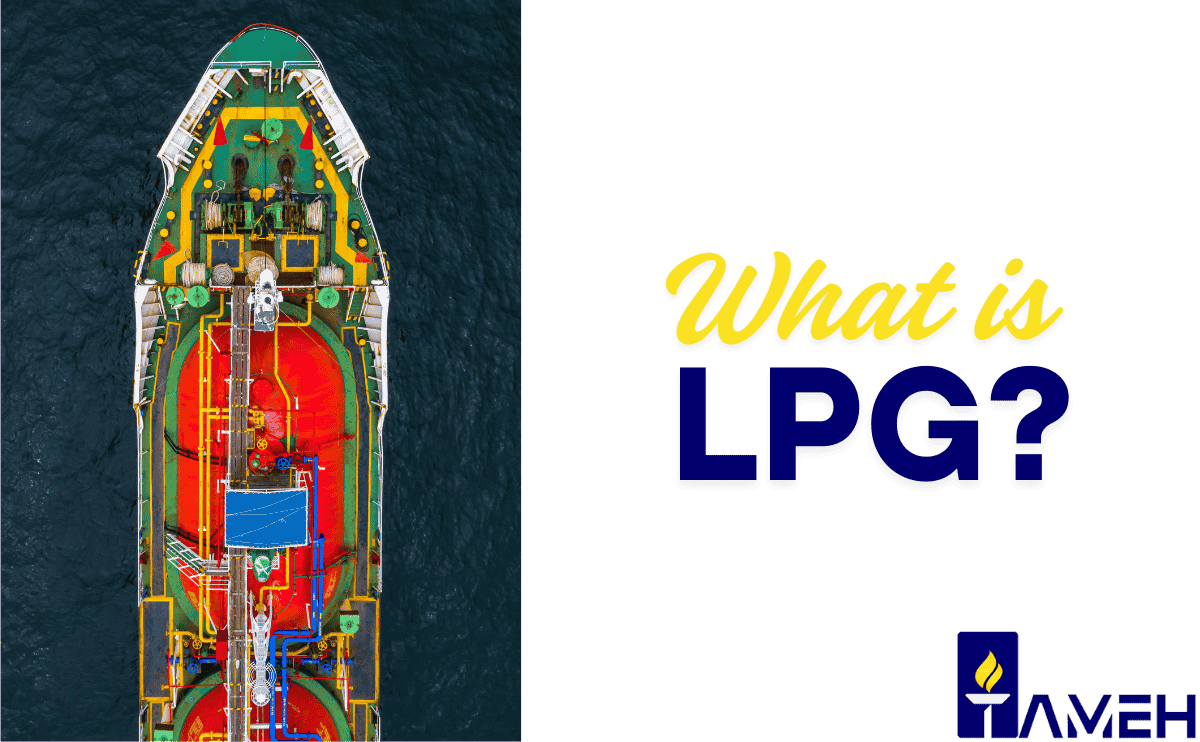
You've probably heard of LPG, especially when talking about cooking gas or industrial heating. But what exactly is it, and why do so many homes and businesses rely on it every day?
Let's Start with the Basics
LPG stands for Liquefied Petroleum Gas. It consists of gases like propane and butane that are compressed into a liquid for easy storage and transport. When released, it turns back into gas and burns with a steady flame. It's clean, efficient, and super convenient.
It's the kind of fuel that doesn't need much attention—but keeps a lot of things running smoothly behind the scenes.
Where Does LPG Come From?
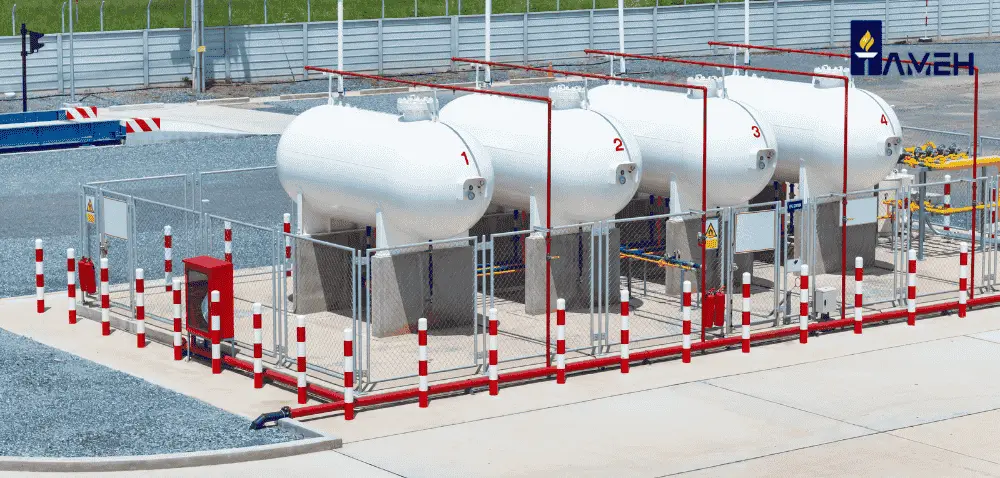
LPG is mostly a byproduct of refining crude oil or processing natural gas. During these processes, gases like propane and butane are separated, cleaned up, and then stored under pressure to make them liquid. This form makes them compact, easy to bottle, and safe to move.
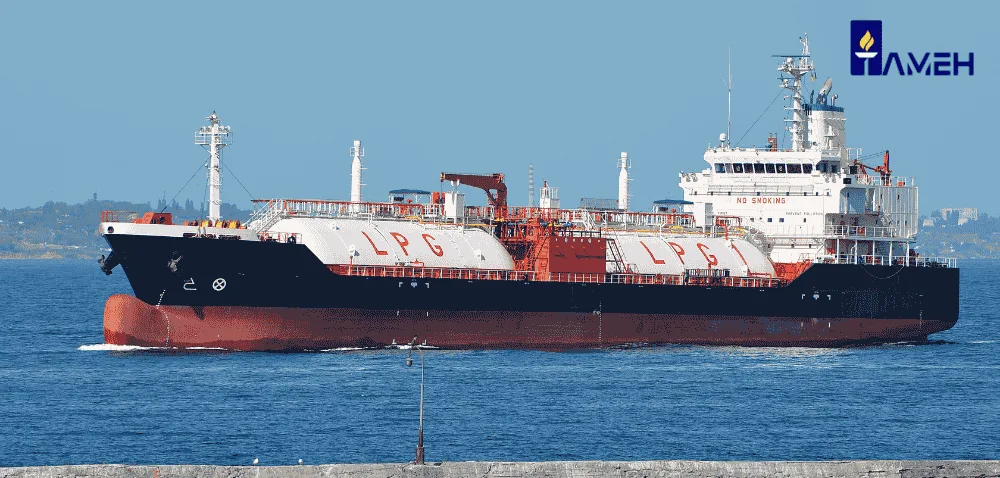
Once packaged, LPG is delivered in everything from small cylinders for homes to large bulk tanks for factories.
Everyday Uses of LPG
1. Cooking and Heating at Home
In many countries, LPG is the go-to fuel for cooking. It's quick to ignite, easy to control, and doesn't leave much residue behind. That's why so many households prefer it over electric stoves.
It's also used in gas heaters, water heaters, and even some air conditioning systems. It's an all-in-one energy solution for homes that aren't connected to the grid.
2. Benefits of Using LPG in Industry
Liquefied petroleum gas shines in many industrial settings. It powers equipment, fuels furnaces, and is used in metalworking processes like cutting and welding. Because it burns cleaner than other fossil fuels, it reduces carbon buildup on machines and extends maintenance intervals.
It's a perfect choice for industries that want reliable heat without the mess.
3. Agriculture
Farmers love LPG because it's easy to store and use on remote land. It powers irrigation systems and crop dryers and even helps in pest control. Since it doesn't spoil or evaporate quickly, it's ideal for seasonal tasks, too.
4. Transportation
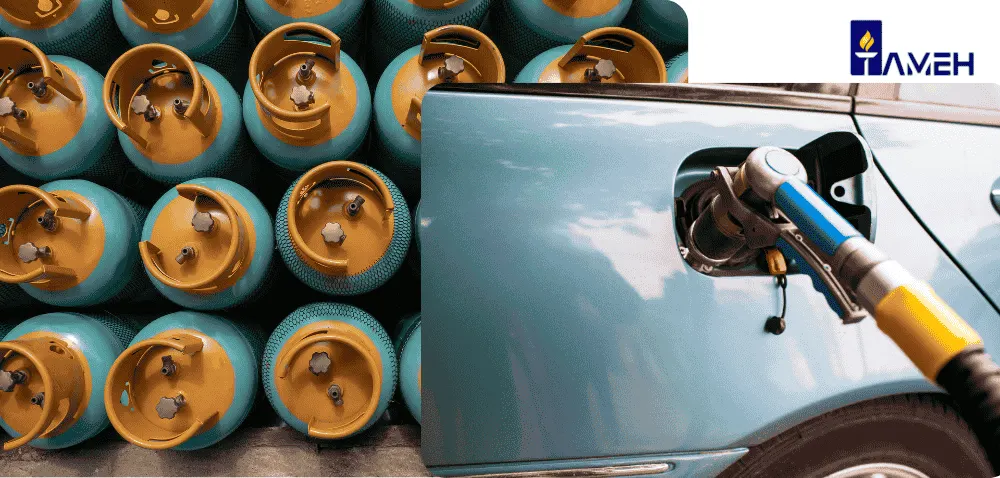
LPG isn't just for cooking or heating—some vehicles actually run on it, too. In a lot of places, you'll see taxis or delivery vans using LPG instead of regular petrol. Why? Because it's usually cheaper, and it's easier on the engine. Plus, it gives off less pollution, which is a big deal in crowded cities. That's why some urban areas encourage switching to LPG—to keep the air cleaner without overhauling the entire transport system.
Why Do People Like Using LPG?
You might wonder why so many people stick with LPG. Well, it just works. It's reliable, not too expensive, and doesn't make a mess. Whether you're running a business or just cooking at home, here's why folks trust it:
- It burns clean – You're not filling the air with smoke or harmful stuff.
- It's super efficient – A little goes a long way.
- You can use it almost anywhere – City or village, it doesn't matter.
- It's easy to store and move around – Bottles, tanks, whatever you need.
Is LPG Safe?
Yes—when handled correctly. Like any fuel, it comes with risks, but LPG has a great safety record overall.
Here are some safety tips:
- Always store cylinders upright and in a ventilated area.
- Don't keep them near open flames or heat sources.
- Use certified hoses and regulators.
- If you smell gas (it has a special odor added), turn off the supply and call your provider.
How Is LPG Stored?
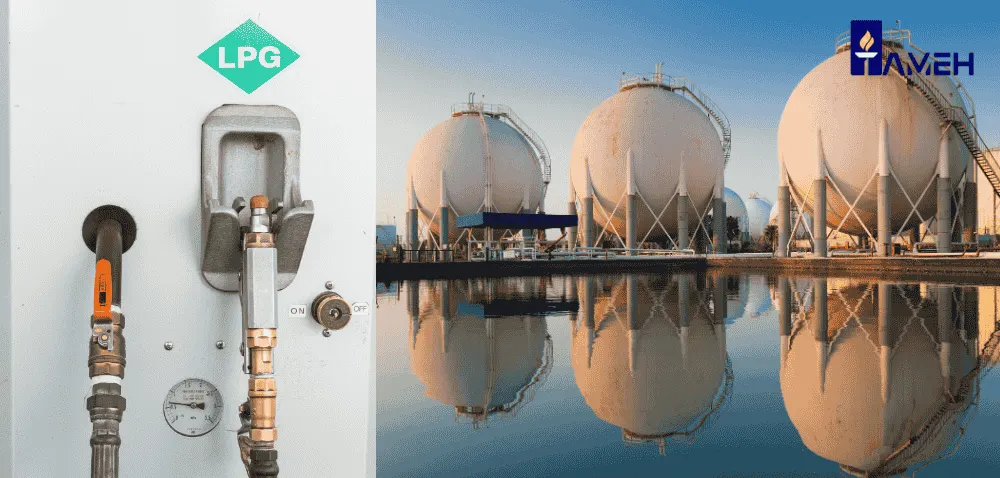
It depends on the user. Homes often use 6 to 15-kg cylinders. Restaurants and small factories might go for 50 kg bottles or a couple of bulk tanks. Large industrial users can even have underground or above-ground LPG storage systems, depending on their needs.
Check all tanks regularly for leaks and maintain them to avoid rust and damage.
The Environmental Side of LPG
LPG isn't perfect, but it's cleaner than most traditional fuels. It produces less CO₂, leaves behind little to no soot, and doesn't contaminate soil or water if spilt. For businesses that want to reduce their carbon footprint, switching to LPG is a simple and cost-effective first step.
And since it burns completely, there's less leftover waste and fewer harmful gases entering the atmosphere.
Economic Benefits
Another reason LPG is popular is it's economical. While the price per liter can fluctuate depending on the market, LPG typically offers better energy output per unit cost compared to diesel or electricity.
For small businesses, that translates to lower operating costs. And for households, it means more heat or cooking power without high utility bills.
Some countries even offer tax breaks or subsidies for using LPG instead of dirtier fuels.
Fun Fact: LPG Is Odorless
In its natural state, liquefied petroleum gas has no smell. To make it safer, manufacturers add a special chemical called ethyl mercaptan. That's the strong "gas smell" most of us recognize. It helps users detect leaks quickly and stay safe.
Who Supplies LPG?
You can find LPG pretty easily these days. Fuel companies, gas stations, and even smaller local distributors usually have it in different tank sizes—small ones for homes and bigger ones for businesses.
In some areas, you don't even have to go out and get it—they'll bring the cylinder right to your door. If you run a business and use a lot of LPG, it's smart to work with a supplier who can handle regular refills, maybe even offer a contract, and help you take care of your storage setup. That way, you won't run into any surprises when you need fuel the most.
Final Thoughts
LPG might not be the flashiest fuel out there, but it's definitely one of the most reliable, clean, and versatile options available today. From frying your eggs to powering your workshop heater, it gets the job done—quietly and efficiently.
It doesn't matter if you're running a home kitchen, a small factory, or a big agricultural operation. The benefits of using LPG in industry and daily life are real and measurable. Cleaner air, lower bills, safer storage—what's not to love?
So the next time you twist the gas knob or fire up an industrial heater, remember—LPG works quietly to keep everything running well.