


What Is Vacuum Bottom and Why It Matters in Oil Refining?

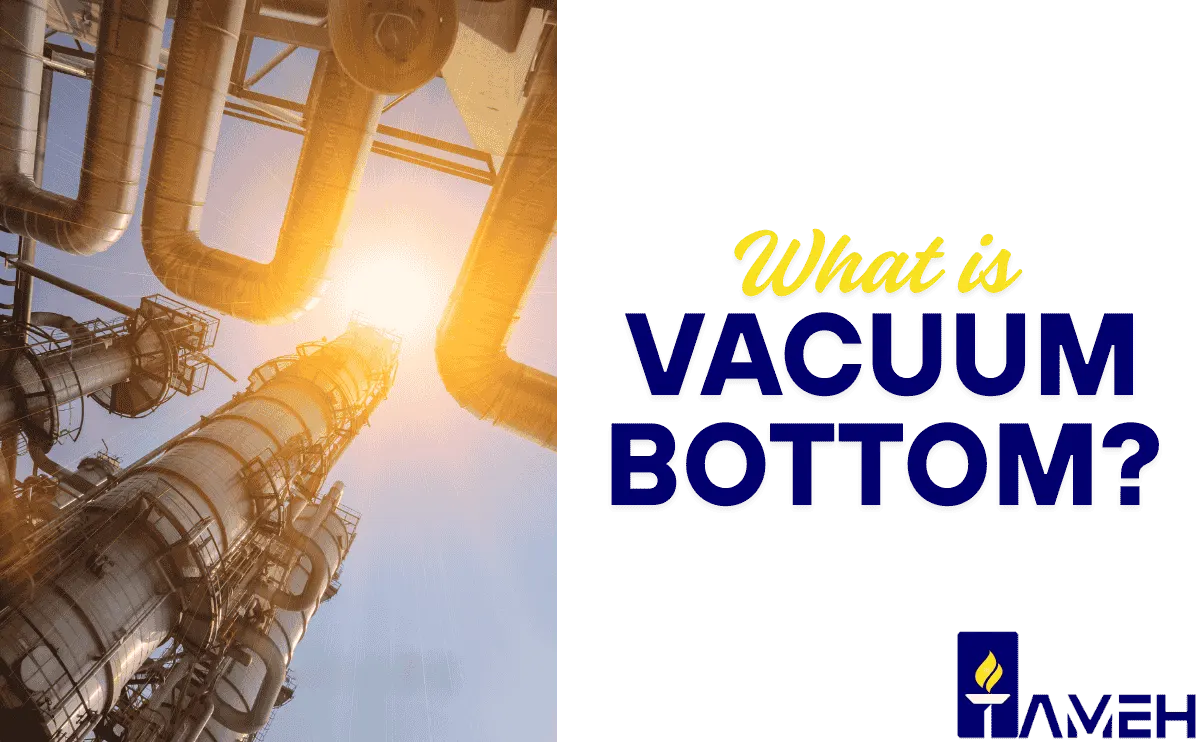
In the world of oil refining, not every product that comes out of a barrel of crude oil is flashy or well-known. But that doesn't mean it's not important. One of these lesser-known but highly useful products is called Vacuum Bottom.
Let's take a closer look at what Vacuum Bottom is, where it comes from, and why it matters for so many industries around the world.
What Is Vacuum Bottom?
Vacuum Bottom (VB) is the thick, heavy residue left at the bottom of the vacuum distillation unit in a refinery. When crude oil goes through atmospheric distillation, lighter products like gasoline, diesel, and kerosene are separated. What's left behind is still full of heavier hydrocarbons.
To extract even more value, this remaining material is sent to a vacuum distillation unit. This second step happens under low pressure, which allows heavier components to be separated at lower temperatures. The light parts are pulled off, and what's left at the bottom is known as the Vacuum Bottom.
Why Is It Also Called Slurry Oil?
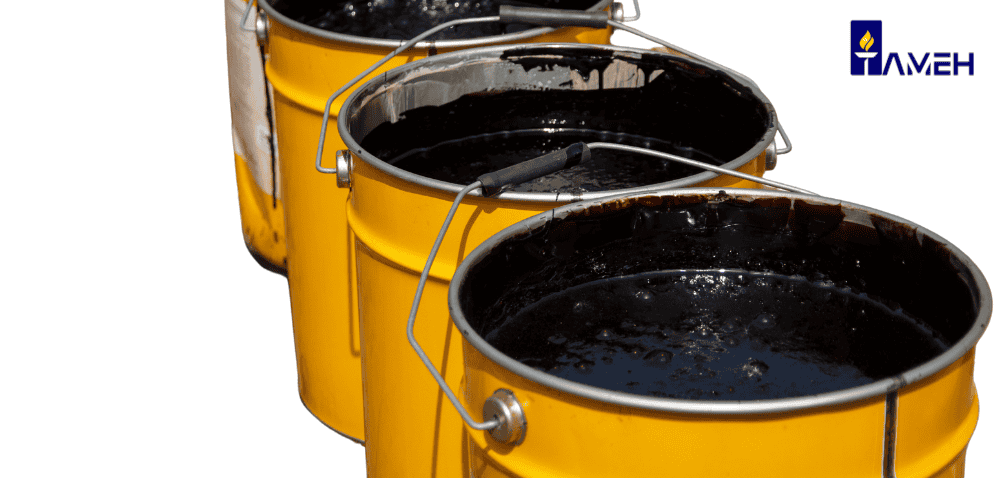
In some regions, especially when VB is mixed with catalytic cracking by-products, it may be referred to as slurry oil. While the composition can vary, both terms describe the heaviest leftovers from the distillation process.
The term "slurry" comes from its thick, almost tar-like consistency. Even though it's not as popular as lighter products, this material still has industrial value.
What Does Vacuum Bottom Look Like?
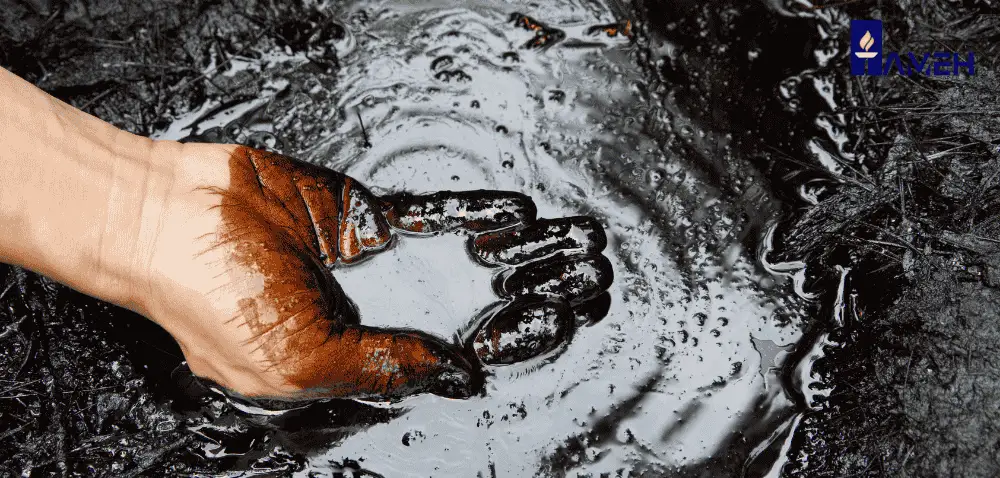
Vacuum Bottom is thick, dark, and sticky—similar in texture to bitumen or heavy fuel oil. It's not easy to move through pipes and often needs to be heated just to keep it flowing. It's heavy and high in carbon and sulfur, which makes it unsuitable for direct use as a fuel in many systems.
But that doesn't mean it's useless, far from it.
What Is Vacuum Bottom Used For?
1. Fuel for Industrial Boilers
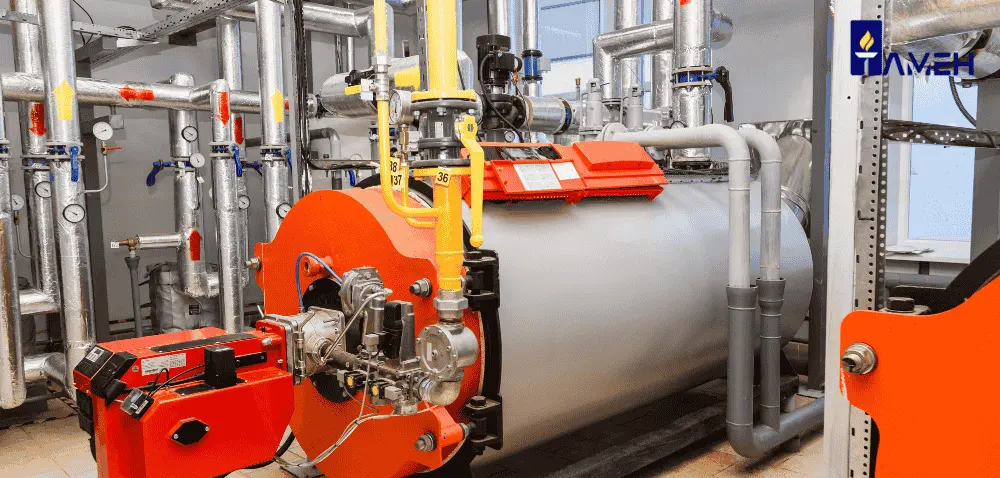
One of the most common uses for Vacuum Bottom is as a fuel in industrial settings. Some factories use it in large boilers to generate steam or heat for production processes. Though it needs special handling and burning systems due to its high viscosity, it's still a cost-effective fuel in many parts of the world.
2. Feedstock for Bitumen Production
If you've ever driven on a paved road, you've likely come in contact with a product made from VB. It's often used as a key raw material in the production of bitumen (also known as asphalt). Refineries may process Vacuum Bottom further or blend it with other materials to make road-grade asphalt.
3. Base for Bunker Fuel
Vacuum Bottom is also blended with lighter components to create bunker fuel, which powers large ships. Because marine engines are designed to handle heavier fuels, VB can be a cost-effective and efficient energy source in this setting.
4. Input for Coking Units
Another way to get more value from VB is to feed it into a delayed coking unit. This is a special refinery process that breaks down heavy molecules into lighter ones like naphtha and diesel. It also produces petroleum coke, a solid carbon-rich by-product used in metallurgy and cement.
Vacuum Bottom in Oil Refining: Why It's Important?
Vacuum Bottom plays a key role in maximizing the efficiency and profitability of oil refining. Here's how:
- Better use of crude oil – Instead of throwing away the heaviest leftovers, refineries squeeze out more value from every barrel.
- Raw material for other products – Without VB, the production of bitumen, petroleum coke, or even certain plastic precursors wouldn't be possible.
- Supports circular use – It fits into the broader idea of reducing waste by finding a use for every output of the refining process.

Challenges of Working with VB
Of course, working with Vacuum Bottom isn't easy. Here are some of the issues companies deal with:
- Handling and transport – Its thickness makes it hard to pump and store. It usually needs to be kept hot to flow properly.
- Emissions – When used as a fuel, it produces more CO₂ and sulfur compared to cleaner fuels, which can be a concern for environmental regulations.
- Corrosiveness – The high sulfur content can corrode pipelines and machinery if not managed correctly.
That said, with proper infrastructure and processing, these challenges can be handled.
Who Uses Vacuum Bottom?
Many industries benefit from Vacuum Bottom, including:
- Construction companies – For asphalt and road materials
- Shipping companies – As part of marine fuel blends
- Heavy manufacturing – For heat and steam generation
- Coke producers – As a feedstock for coking units
Buying and Selling Vacuum Bottom
Because of its industrial nature, VB is usually sold in large quantities—by the ton or in tanker shipments. Refineries sell it to companies that specialize in fuel blending, road construction, or further processing.
Pricing depends on factors like:
- Sulfur content
- Viscosity
- Distance from refinery
- Global oil prices
Some companies also offer long-term contracts for consistent supply, especially for asphalt producers or energy plants.
Final Thoughts
Vacuum Bottom may not be a household name, but it's one of those materials that quietly support many key industries. From roads to ships, from fuel to coke, this heavy by-product of refining is full of potential.
Even though it comes with some handling challenges, its usefulness makes it a valuable asset in the oil industry. As technology improves and demand for road-building, shipping, and industrial energy continues, the role of Vacuum Bottom in oil refining is only expected to grow.
If you're in a sector that needs heat, fuel, or infrastructure materials, VB might be a part of your future—even if you've never heard of it before today.