


Understanding Heavy Lube Cut: The Thick Backbone of Lubricants

When we think of oil refining, we usually picture fuels—gasoline, diesel, maybe jet fuel. But there's a lesser-known family of products that don't power engines but help them last longer. One of the most important of these is Heavy Lube Cut.
So what exactly is Heavy Lube Cut, how is it produced, and what makes it so valuable across different industries? Let's break it down in simple terms.
What Is Heavy Lube Cut?
Heavy Lube Cut is a thick, oily product that comes from the vacuum distillation unit in an oil refinery. After lighter fractions like kerosene and diesel are separated from crude oil, the heavier components are processed under lower pressure. What remains is a range of cuts, and one of the most useful is the heavy lube fraction.
It's a base material that can later be refined into lubricating oils, waxes, and even some speciality products. In short, if your machine or engine needs something to keep it running smoothly, there's a good chance it started life as a Heavy Lube Cut.
How Is Heavy Lube Cut Produced?
This product is typically collected from the vacuum distillation column, where the pressure is kept low to avoid the thermal cracking of heavy molecules. The goal here is to separate fractions based on boiling points without destroying their structure.
The Heavy Lube Fraction is tapped from the lower section of this column. It's thicker and more viscous than other outputs and contains a lot of long-chain hydrocarbons—perfect for turning into industrial-grade lubricants.

What Does Heavy Lube Cut Look Like?
It usually appears as a dark brown, viscous liquid. Think of it as halfway between motor oil and bitumen. It's not something you'd pour straight into your car, but it's rich in the kind of molecules that make high-quality lube oils possible.
Its composition can vary depending on the crude oil source, but it's generally high in saturated hydrocarbons, making it ideal for further refining.
Where Is Heavy Lube Cut Used?
1. Base Stock for Lubricating Oils
This is the most common use. Heavy Lube Cut in oil refining is a key ingredient for blending engine oils, industrial greases, and hydraulic fluids. After further treatment, such as solvent extraction and dewaxing, it turns into base oil that can be used across various machinery.
2. Manufacturing of Paraffin Wax
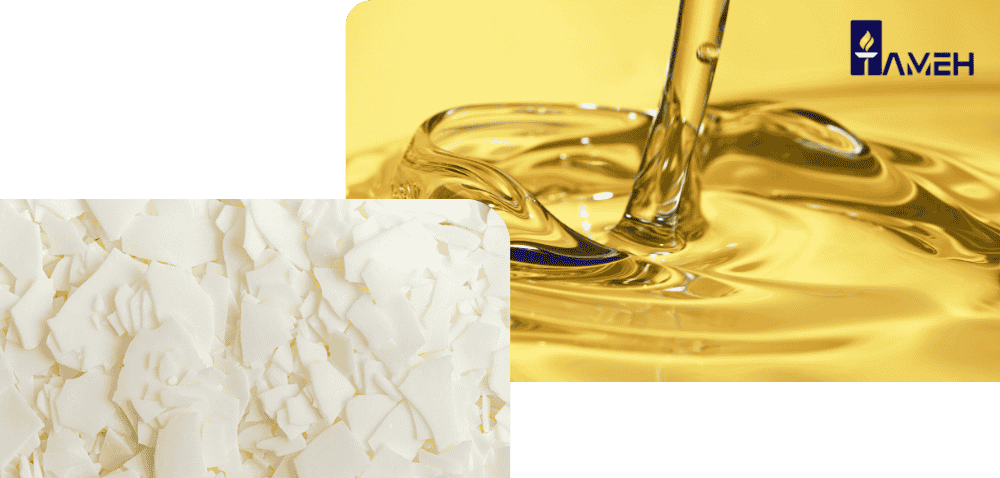
With additional processing, some components of heavy lube fractions can be turned into paraffin wax—used in everything from candles to packaging and cosmetics.
3. Transformer and Insulating Oils
In the electrical industry, refined heavy lube cuts are used to make oils that cool and insulate transformers. These oils need to be very stable under heat, and this cut provides that stability.
4. Rubber and Tire Industry
Some grades of refined lube cuts are added to rubber formulations to improve processing and flexibility in the final product. In the tyre industry, they help reduce cracking and extend lifespan.
Why Is It Important?
You might not see Heavy Lube Cut being advertised, but many essential products wouldn't exist without it. It's a critical middle layer between raw crude oil and finished speciality items.
Here's why it matters:
- High molecular weight – This makes it perfect for products that need stability and thickness.
- Process flexibility – This can be refined into a wide range of end-products.
- Economic value – It adds significant profitability to a refinery beyond just fuels.
Heavy Lube Cut vs. Light Lube Cut
You might be wondering: what's the difference?
- Light Lube Cut is thinner and used for lighter oils like sewing machine oil or light hydraulic fluid.
- Heavy Lube Cut is thicker and is used for greases, engine oils, and waxes.
The refining process decides which cut is drawn off and how it's treated further.
Environmental Considerations
Processing Heavy Lube Fractions requires energy and produces emissions like any oil product. But because it's often used in long-life applications (like lubricants), the environmental impact per use is lower than fuel, which burns quickly.
Also, high-quality lubricants can improve engine efficiency and reduce waste, which is a net benefit for many industries.
How Is It Sold?
Heavy Lube Cut is generally sold in bulk quantities—by ton or in large drums—usually directly from refineries or through trading companies. The price depends on:
- Viscosity index
- Sulfur content
- Purity and contamination levels
- Market demand for base oils
If you're a lubricant manufacturer or industrial supplier, securing a consistent source of high-quality heavy lube fraction is key.
Who Buys It?
So, who actually uses Heavy Lube Cut? A few industries rely on it to make their products:
- Lubricant producers
- Wax manufacturers
- Tire and rubber companies
- Transformer oil suppliers
- Heavy equipment maintenance firms
These companies depend on consistent, high-quality materials to make the products they need.
Final Thoughts
At first, Heavy Lube Cut might just look like another thick byproduct from the refinery. But it's actually a key player in a wide range of industries. It keeps machinery running smoothly and plays a big part in products we use every day.
Whether it's transformed into engine oil, cooling fluids for transformers, or additives in rubber, this "leftover" from the refining process shows how valuable it really is. Even the smallest, less obvious products can make a huge difference.
So next time you see a machine running without a hitch, remember—it might just owe some of its smooth moves to a humble lube cut.